
how-to
At-Home Cooking Classes: A Guide to Learning in Your Kitchen
Last Updated: October 23, 2026
Quick Summary
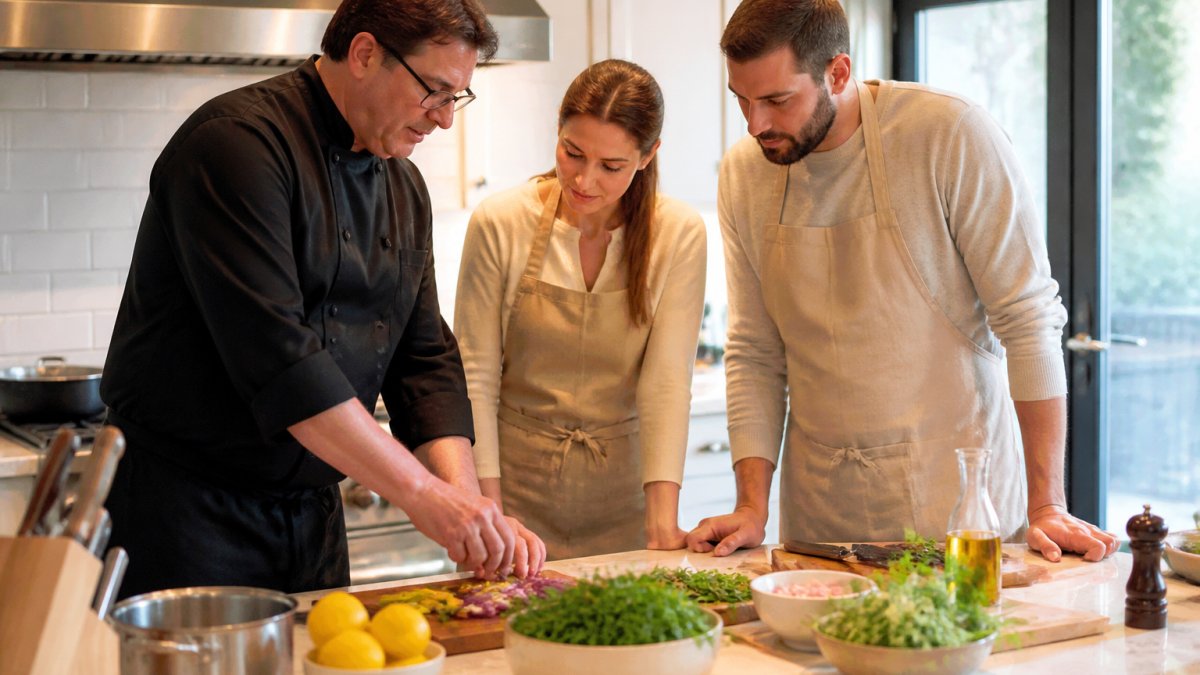
An at-home cooking class is a private, hands-on culinary lesson held in your own kitchen with a professional chef who guides you through preparing a complete meal. Unlike cooking videos or group classes at a studio, these sessions bring expert instruction directly to your space, allowing you to learn real techniques while cooking alongside the chef in an intimate, personalized setting.
- Most at-home cooking classes last around three hours and include setup, cooking instruction, and enjoying the meal together.
- You learn by doing, not watching, which builds real confidence and muscle memory in your own kitchen environment.
- Private classes are completely customizable, allowing you to choose the cuisine, techniques, difficulty level, and menu based on your goals.
- The chef brings all ingredients prepared and handles setup and cleanup so you focus entirely on learning.
- At Mise en Your Place, Chef Chris brings 30 years of professional kitchen experience and classical French training.
Table of Contents
- What At-Home Cooking Classes Actually Are
- What to Expect from a Private Cooking Class
- Custom Cooking Class Themes and Menu Ideas
- Private Cooking Class for Couples: Creating a Memorable Evening
- How to Choose the Right At-Home Cooking Class for Your Needs
- Preparing Your Kitchen and Home for a Cooking Class
- Common Questions Before You Book
- Frequently Asked Questions
What At-Home Cooking Classes Actually Are
An at-home cooking class is a private, hands-on culinary lesson held in your own kitchen with a professional chef who guides you through preparing a complete meal. Unlike cooking videos or group classes at a studio, these sessions bring expert instruction directly to your space. You learn real techniques while cooking alongside the chef in an intimate, personalized setting.
At Mise en Your Place, we transform your kitchen into a professional culinary classroom. Chef Chris Hrynyk arrives with everything prepared and ready to teach. You handle the cooking while learning authentic techniques. The chef manages all the setup and cleanup, so you focus entirely on learning and enjoying the experience.
These classes work for anyone. Beginners gain confidence. Experienced cooks refine their skills. Couples enjoy a memorable date night. Families bond over shared cooking. Small groups celebrate special occasions.
The beauty of this format is simplicity. No commute. No crowded studios. No awkward scheduling around group class times. You cook in your own space with your own equipment, which means the skills you learn transfer directly to your everyday cooking.
What to Expect from a Private Cooking Class
When you book a private cooking class, you're investing in a complete culinary experience that unfolds in stages. The chef arrives early to set up mise en place, all ingredients measured, prepped, and organized. This professional preparation means you spend your time learning, not scrambling for ingredients.
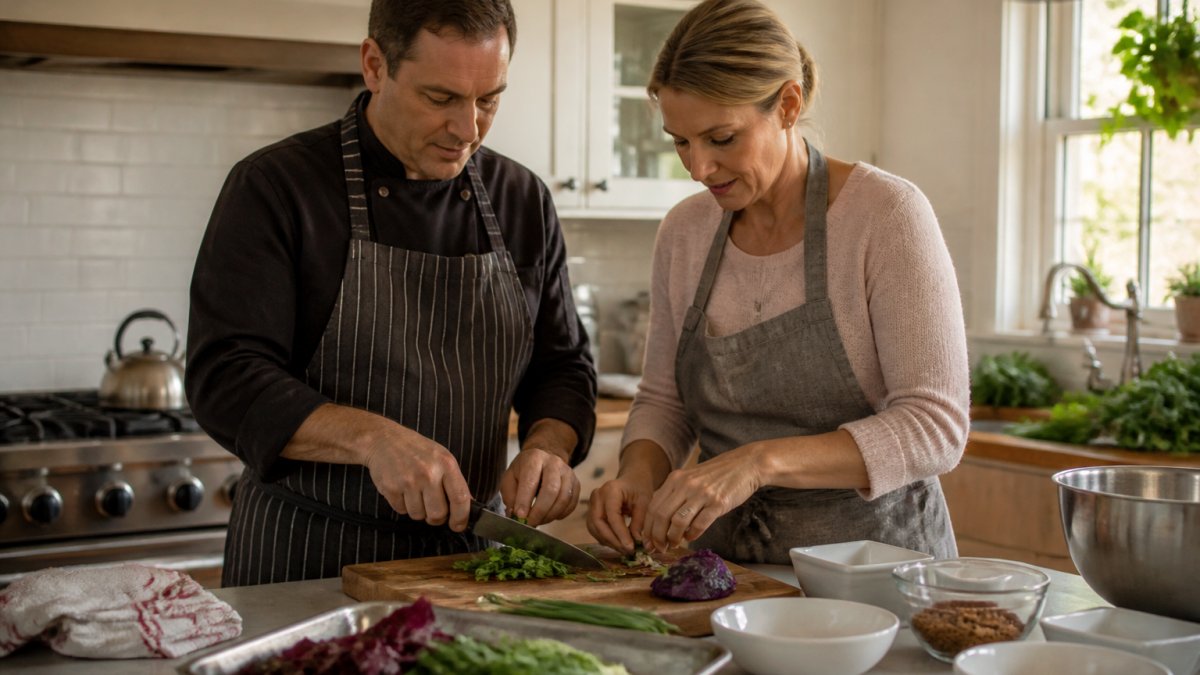
The class itself typically flows like this:
- Chef introduces the menu and explains the techniques you'll learn
- You prepare each dish under the chef's guidance
- Chef demonstrates proper knife skills, heat control, and timing
- You taste and adjust seasonings as you cook
- Everyone sits down to enjoy the meal together
- Chef handles all cleanup before leaving
The pacing adjusts to your comfort level. If you need extra time on a technique, the chef slows down. If you're confident, you move faster. This personalized approach is what sets private classes apart from group instruction.
Most sessions last around three hours, though this varies. Some people prefer a shorter, focused class. Others enjoy a longer experience with multiple courses and more detailed instruction.
You'll learn by doing, not by watching. This hands-on method builds real confidence. Your hands develop muscle memory. You understand why techniques matter, not just how to perform them.
Custom Cooking Class Themes and Menu Ideas
The beauty of private instruction is complete customization. You choose the cuisine, the techniques, and the difficulty level. The menu can reflect your interests, dietary preferences, or cultural background.
Some people want to master Italian pasta from scratch. Others focus on French techniques like sauce-making and knife work. Some prefer exploring Asian cuisines, Thai curries, Japanese knife skills, or Chinese wok cooking. You decide.
The menu shapes the entire experience. A seafood-focused class teaches different skills than a vegetarian one. A dessert class requires different equipment than a savory dinner. The chef tailors everything to match your goals.
In-Home Cooking Class Menu Ideas for Every Occasion
Date Night Menus create an intimate, romantic experience. Think pan-seared scallops with risotto, beef tenderloin with red wine sauce, or homemade ravioli with fresh herbs. These menus balance elegance with learnable techniques. You both cook together, then enjoy the results by candlelight.
Family-Friendly Menus work when kids are involved. Homemade pizza, fresh pasta shapes, or build-your-own taco bars keep everyone engaged. Kids love the hands-on nature. Parents appreciate teaching real cooking skills.
Celebration Menus mark special occasions. Anniversaries, birthdays, and milestones deserve menus that feel special. A three-course dinner with wine pairings creates a memorable event. You learn restaurant-quality cooking while celebrating together.
Cuisine-Focused Menus dive deep into one tradition. A French cooking class might cover coq au vin, beurre blanc, and beef bourguignon. A Thai class explores curry pastes, balance of flavors, and wok technique. An Italian class centers on fresh pasta, risotto, and seasonal vegetables.
Dietary-Specific Menus accommodate preferences. Vegetarian, vegan, gluten-free, or keto menus ensure everyone enjoys the meal. The chef adapts techniques to fit your needs without compromising flavor or skill-building.
Private Cooking Class for Couples: Creating a Memorable Evening
Couples cooking classes offer something unique: a shared experience that builds connection. You're not competing or watching from the sidelines. You're working together toward a common goal, preparing a beautiful meal.
The dynamic is collaborative. One person might handle sauce work while the other preps proteins. You communicate, help each other, and celebrate small victories together. This teamwork translates to real connection.
The evening unfolds naturally. You arrive, meet the chef, and begin cooking. There's no pressure to perform perfectly. The chef guides you through mistakes and celebrates your successes. By the time you sit down to eat, you've accomplished something together.
These classes work for anniversaries, date nights, or simply breaking routine. They're more engaging than dinner out because you're actively involved. You learn skills you'll use at home for years.
Many couples book classes around special dates or milestones. The experience becomes a memory you'll reference for years: "Remember when we made that pasta together?"
How to Choose the Right At-Home Cooking Class for Your Needs
Start by identifying your goals. Are you learning for fun or building real skills? Do you want to master one cuisine or explore many? Are you a complete beginner or refining advanced techniques?
Your answers shape the perfect class. Beginners benefit from foundational techniques, knife skills, heat control, seasoning. Intermediate cooks often want cuisine-specific instruction. Advanced cooks may seek specialized skills like pastry work or advanced plating.
Consider your group size. Solo classes focus entirely on you. Couples classes build connection. Small groups (3-4 people) create a fun, social atmosphere. Larger groups (5+) work for celebrations but offer less individual attention.
Think about cuisine preferences. You'll learn best when cooking food you actually want to eat. If you love Thai food, a Thai cooking class keeps you engaged.
Evaluate your kitchen honestly. You don't need professional equipment, but basic tools matter. A good chef's knife, cutting board, and cooking pots are essential. The chef works with what you have, but having functional basics helps.
Check the chef's experience and teaching style. At Mise en Your Place, Chef Chris brings 30 years of professional kitchen experience and classical French training.
Ask about pacing and flexibility. A good class adjusts to your comfort level. If you need extra time on a technique, the chef slows down. If you're confident, you move faster.
Preparing Your Kitchen and Home for a Cooking Class
Your kitchen doesn't need to be perfect, but preparation matters. Clear counter space where you'll work. Remove clutter and unnecessary items. The chef needs room to move and teach.
Clean your kitchen before the class arrives. This isn't about impressing anyone, it's about having a functional workspace. A clean counter is safer and more pleasant for cooking.
Check your basic equipment:
- Sharp chef's knife (this matters most)
- Cutting board (wood or plastic)
- Mixing bowls (various sizes)
- Measuring cups and spoons
- Cooking pots and pans
- Wooden spoons and spatulas
- Colander or strainer
If you're missing items, mention this when booking. The chef often brings backup equipment or works around what you have.
Ensure adequate lighting over your work area. Good lighting helps with food preparation and makes the experience more enjoyable. If your kitchen is dim, consider a temporary light source.
Stock basic pantry items, salt, pepper, oil, butter, and any staples relevant to your class menu. The chef brings specialty ingredients, but having basics on hand helps.
Clear your schedule. Don't plan errands during the class. You'll be focused on learning and cooking, and rushing creates stress. Set aside the full time needed without interruptions.
Invite your participants. If it's a couples class, make sure both people are ready. If it's a family class, prepare kids for a hands-on experience. Set expectations so everyone arrives engaged and ready.
Common Questions Before You Book
What if I'm a total beginner? You're exactly who these classes serve. The chef meets you where you are. You'll learn foundational skills in a supportive environment.
How long does the class actually take? Most classes run around three hours. This includes setup, cooking, and enjoying the meal together. Some people prefer shorter focused sessions. Discuss timing when you book.
What happens if my kitchen is small? Small kitchens work fine. The chef adapts to your space. You don't need a sprawling professional kitchen, just functional counter space and basic equipment.
Can I change the menu if I don't like what's planned? Yes. The entire experience is customized to you. If a menu doesn't appeal, discuss alternatives.
What about dietary restrictions or allergies? Mention these when booking. The chef accommodates vegetarian, vegan, gluten-free, and allergy-friendly menus. Your health and preferences shape the experience.
Will I actually learn real techniques or just eat good food? Both. The focus is learning authentic techniques you can use at home. You're not passively watching, you're actively cooking and building skills.
What if I'm nervous about cooking in front of someone? That nervousness fades quickly. The chef creates a supportive, encouraging environment. You're learning together, not performing.
Is this worth the investment compared to online classes? Online classes are cheaper but impersonal. You watch a screen, cook alone, and troubleshoot problems yourself.
Booking a private at-home cooking class transforms how you approach cooking at home. The chef handles setup and cleanup so you focus entirely on learning and enjoying the experience. Ready to transform your kitchen into a culinary classroom?
Frequently Asked Questions
What happens during an at-home cooking class?
During a private at-home cooking class, a professional chef arrives at your kitchen with all ingredients and equipment prepared. You'll work hands-on to learn authentic cooking techniques while the chef guides you through each step. The chef handles all mise en place (ingredient prep) and cleanup, so you focus entirely on learning and cooking. Most classes conclude with enjoying the meal you've prepared together.
Is an at-home cooking class suitable for beginners with no cooking confidence?
Yes. At-home cooking classes are designed for all skill levels, including complete beginners. A professional chef tailors the pace and techniques to your experience. You'll learn foundational skills in a supportive, judgment-free environment. The private setting means you can ask questions without feeling self-conscious, making it ideal for building confidence in the kitchen.
How do I prepare my kitchen before a private cooking class arrives?
Clear counter space where you'll work and ensure basic appliances are accessible. Your kitchen doesn't need to be large or pristine, the chef is experienced in working with home kitchens of all sizes. Let the instructor know about any kitchen limitations in advance. The chef will handle all prep and cleanup, so you only need to make room for the cooking itself.
Can a private cooking class be customized to dietary needs or food preferences?
Absolutely. One of the key advantages of a private at-home cooking class is full customization. You can specify dietary restrictions, allergies, cuisines you want to learn, skill level, and the occasion you're celebrating. The chef designs the menu and lesson plan around your preferences, ensuring the experience is meaningful and relevant to your goals.

Ready to cook something memorable?
Chef Chris brings the full restaurant experience into your home — every detail handled, every dish made together.