
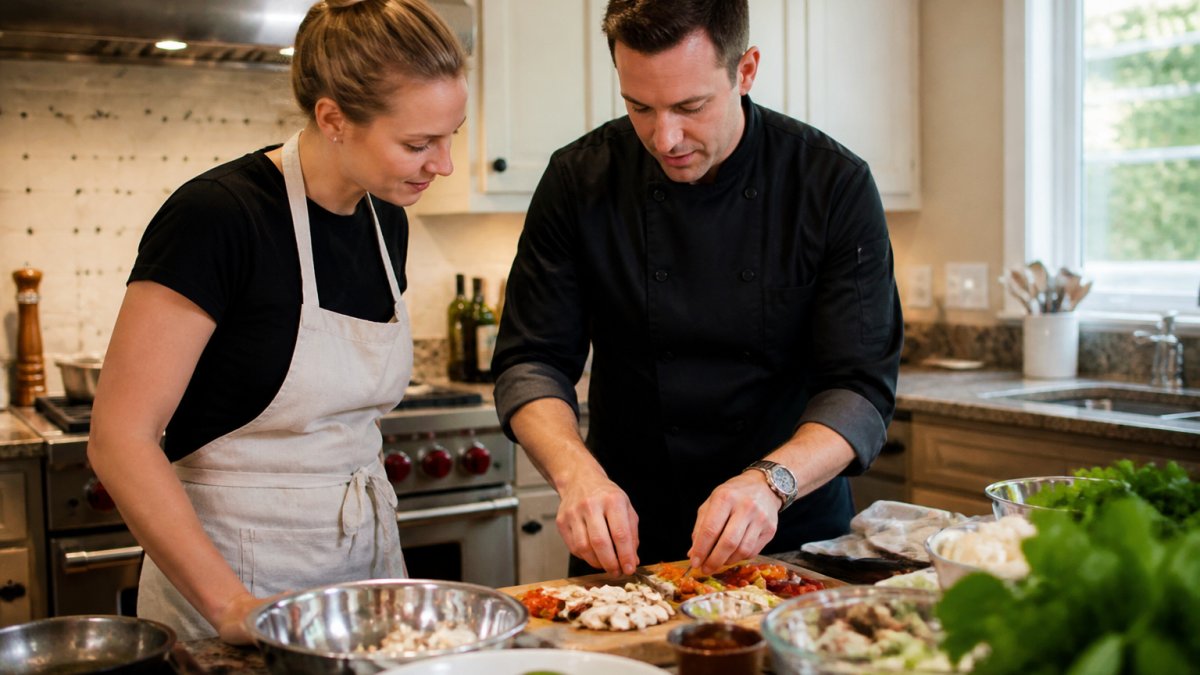
how-to
Private Cooking Classes in Edmonton: A Complete Guide
Table of Contents
- What to Expect From Private Cooking Classes
- How to Choose the Right Private Cooking Class for Your Needs
- Custom Cooking Class Themes and Cuisines
- Cooking Classes for Couples: Creating a Memorable Date Night
- Cooking Class Menu Ideas and What You'll Prepare
- Understanding Cooking Class Cost and What Affects Pricing
- Booking Your Private Class: Logistics, Policies, and Preparation
- Frequently Asked Questions
Last Updated: October 16, 2026
What to Expect From Private Cooking Classes
When you book a private cooking class, you're not signing up for a cooking show where you watch someone else work. You're stepping into a hands-on culinary experience tailored entirely to your preferences, skill level, and kitchen.
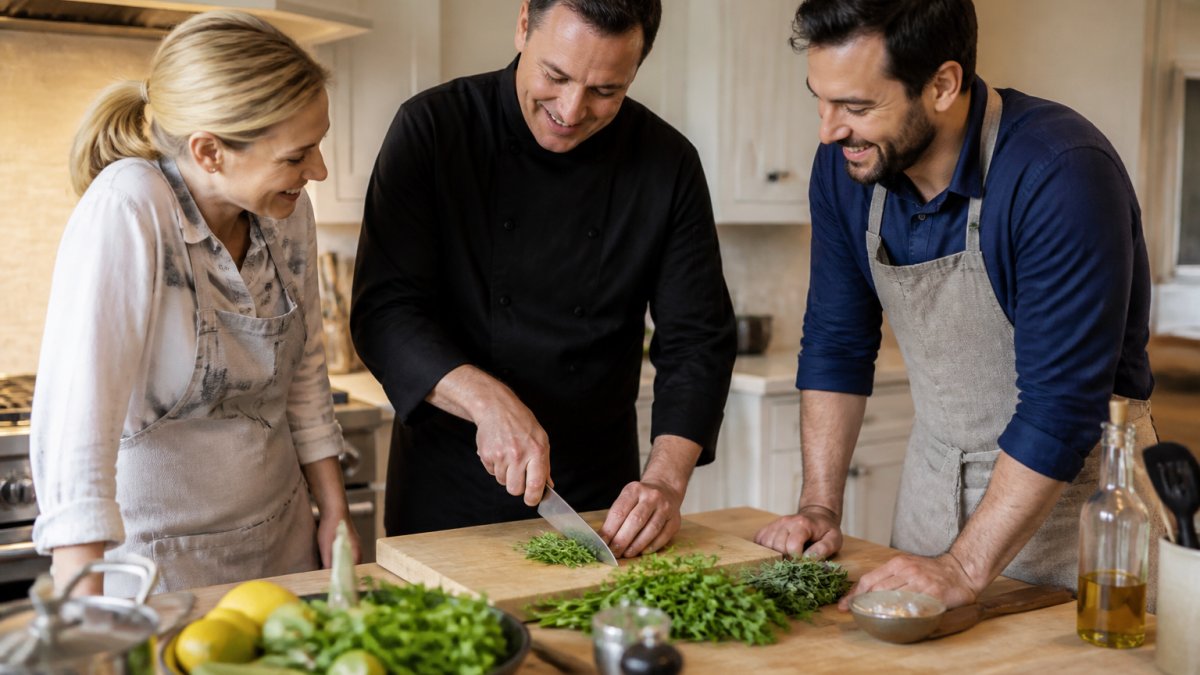
Here's what actually happens during a private cooking class. You'll arrive home to find your kitchen already prepped, all mise en place is handled before you even start. This means ingredients are measured, prepped, and organized so you can focus entirely on learning technique rather than scrambling for supplies. The chef demonstrates each step, then guides you through it hands-on.
The pacing is entirely yours. Unlike group classes where an instructor moves at one speed for everyone, private classes adapt to how quickly you absorb information. If you need an extra explanation of knife technique, you get it. If you're ready to move faster, you do. By the end of the session, you've prepared an actual meal, something restaurant-quality that you've learned to make yourself.
Cleanup happens after you eat. You enjoy your finished meal without worrying about the kitchen disaster behind you. The chef handles all the post-class work, leaving your kitchen clean and ready for tomorrow. This stress-free approach is what sets private cooking classes apart from group experiences or online tutorials where you're left managing both the cooking and the mess.
How to Choose the Right Private Cooking Class for Your Needs
Selecting the right private cooking class depends on three core factors: your skill level, what you want to learn, and the occasion or purpose behind the class.
Start by assessing where you are in the kitchen. Are you a confident cook looking to refine advanced techniques? A beginner who can barely make pasta? Or somewhere in between? A skilled chef like those at Mise en Your Place knows how to build confidence from the ground up, teaching fundamentals in a way that makes sense for your experience level.
Next, clarify what you want to achieve. Are you learning for yourself, to cook better meals at home? Are you preparing for a special occasion where you want to impress? Are you looking for a unique date-night experience with your partner? Each goal shapes what the class should cover.
Consider your kitchen space and comfort level. A small kitchen doesn't disqualify you from private cooking classes. Professional chefs are trained to work efficiently in residential kitchens of all sizes. What matters more is that you're comfortable in your own space and that the chef can navigate your layout effectively. If you're concerned about kitchen size or setup, communicate this upfront when booking, a good instructor adapts.
Finally, think about timing and group size. Are you doing this solo, with a partner, with friends, or with family? Private classes can accommodate different group sizes, and the dynamic changes accordingly. A couples' class has a different energy than a group of friends learning together or a family bonding over food.
Custom Cooking Class Themes and Cuisines
The beauty of private cooking classes is that themes and cuisines are entirely customizable. You're not locked into whatever the studio scheduled this month, you choose what excites you.
Italian cuisine remains a popular choice. Pasta making is particularly engaging because it's hands-on from start to finish. You'll learn how dough behaves, how to shape it properly, and why technique matters. Pizza-making classes teach you about dough fermentation, oven temperature, and topping balance.
French technique-focused classes appeal to people wanting to master foundational cooking skills. Think sauces, knife cuts, proper searing, and classical cooking methods. These classes build confidence because they teach principles that apply across cuisines, not just recipes.
Baking and bread-making classes work particularly well in private settings because they require patience and precision, things that are easier to learn one-on-one. You'll understand fermentation, hydration, shaping, and scoring in ways that make sense for your own kitchen and oven.
Seasonal menus are another option. Spring might focus on fresh vegetables and lighter preparations. Summer could emphasize grilling and fresh herbs. Fall brings comfort foods and hearty preparations. Winter might center on slow-cooked braises and warming techniques. Matching your class to the season means you're learning with ingredients at their peak.
Some people choose theme-based classes: tapas and small plates for entertaining, seafood preparations, vegetarian or plant-based cooking, or cuisines tied to places they're traveling to or heritage they want to explore. The point is that your class reflects what you actually want to cook and eat.
Cooking Classes for Couples: Creating a Memorable Date Night
A cooking class designed for two people creates something a typical dinner out cannot: a shared experience where you're both learning, laughing, and creating together. It's interactive in a way that builds connection.
The best couples' cooking classes are structured so both partners participate equally. You're not watching while one person cooks. Both of you are hands-on, learning the same techniques, tasting as you go, and working toward the same finished meal. This creates natural moments of teamwork, one person manages the pasta while the other works on sauce, or you're both plating together at the end.
The intimacy of learning in your own home matters. There's no pressure to perform for strangers. You can ask questions freely, make mistakes without embarrassment, and enjoy the process at your own pace. Many couples find that cooking together reveals things about how they work as a team, who's more detail-oriented, who loves improvising, how you communicate under mild time pressure.
The meal itself becomes part of the date. You've created something together, learned new skills, and now you're sitting down to enjoy what you made. That's fundamentally different from a restaurant experience where someone else did the work.
Themed couples' classes work well too. A pasta-making date night, a seafood preparation class, a chocolate dessert workshop, these give you something specific to focus on while building the shared experience. Some couples book classes specifically before hosting dinner parties, so they're learning techniques they'll use to impress guests.
Cooking Class Menu Ideas and What You'll Prepare
What you actually prepare during a private cooking class should feel achievable yet impressive, something that builds your skills without overwhelming you.
A well-designed menu typically includes three components: a protein preparation, a vegetable or starch component, and either a sauce or a dessert. This structure teaches you multiple techniques in one session. You might prepare a seared fish fillet with a beurre blanc sauce and roasted seasonal vegetables.
Appetizer-focused menus work for people who entertain frequently. You'll learn to prepare 3-4 different small plates, something that shows technique variety and gives you options for future gatherings. These might include a cured fish preparation, a vegetable-based appetizer, and a cheese or charcuterie component assembled with proper technique.
Dessert-focused classes teach precision and timing. A chocolate mousse, a fruit tart, or a properly executed sauce teaches you about temperature control, texture, and plating. These classes appeal to people who want to finish meals impressively.
Seasonal menus change what's available and what makes sense to learn. Spring might include fresh asparagus preparations and lighter proteins. Summer focuses on grilling techniques and fresh herbs. Fall brings root vegetables and braising. Winter emphasizes warming techniques and preserved ingredients.
The key is that your menu should stretch you slightly beyond your current comfort level without being so ambitious that you spend the entire class stressed. A good chef-led class builds your confidence by choosing recipes that are achievable with proper instruction but feel impressive when you execute them at home later.
Understanding Cooking Class Cost and What Affects Pricing
Private cooking class pricing depends on several factors, and understanding what drives cost helps you evaluate what you're actually paying for.
The primary factor is instructor expertise and experience. A chef with 30+ years in professional kitchens, trained in classical French technique and experienced in Italian and European restaurants, like Chef Chris Hrynyk at Mise en Your Place, offers a premium experience.
Duration affects cost significantly. A two-hour class costs less than a three-hour session, but longer classes allow for more complex menus and deeper learning. Some people prefer shorter, focused sessions on a specific technique. Others want a full experience from start to finish, including the meal.
Group size influences pricing. Private group classes, say, four friends learning together, offer a different dynamic than a couple's class.
Ingredient selection matters. A class focusing on premium proteins like lobster or high-quality beef costs more than one built around chicken or vegetables. Specialized ingredients or imported products increase the ingredient cost that gets factored into pricing.
Your location and kitchen setup can affect pricing. Some instructors charge travel fees if you're outside their typical service area. Kitchen accessibility, whether your space is easy to work in, has proper equipment, or requires adaptation, might influence the rate.
The best approach to understanding cost is to request a quote based on your specific preferences: who's attending, what you want to learn, how long you want the session to be, and any dietary preferences or ingredient restrictions.
Booking Your Private Class: Logistics, Policies, and Preparation
Booking a private cooking class involves more logistics than a typical restaurant reservation, so understanding the process upfront prevents surprises.
Start by communicating your preferences clearly. What date works for you? How many people are attending? What's your skill level? Do you have dietary restrictions or ingredient preferences? Are there cuisines or techniques you're particularly interested in?
Cancellation policies vary, so clarify this before booking. Life happens, schedules change, illness strikes, plans shift. Understanding what happens if you need to reschedule or cancel protects both you and the instructor.
Preparation on your end is minimal but important. Your kitchen should be reasonably clean and organized, but it doesn't need to be spotless.
A few days before your class, confirm the details: exact time, number of guests, any last-minute dietary changes. This gives the instructor time to adjust their ingredient shopping if needed.
On the day of the class, be present and ready to start on time. Have your kitchen reasonably accessible and let the instructor know if there are any changes to the plan.
After the class, you'll have a clean kitchen and a finished meal to enjoy. Most instructors provide you with recipes or notes so you can recreate what you learned at home.
A private cooking class transforms how you think about food and your own capabilities in the kitchen. You move from following recipes to understanding technique, from watching cooking shows to actually executing what you've learned.
When you're ready to book, Mise en Your Place brings this experience directly to your home.
Frequently Asked Questions
What should I prepare before a private cooking class at home?
Clear counter space and ensure your kitchen is accessible. Your chef will handle mise en place setup, so you don't need to prep ingredients. Make sure your stovetop, oven, and basic cookware are in working order. If you have dietary restrictions or allergies, communicate these in advance. Have any special equipment or tools you own ready, but the instructor will bring what's needed. The main thing is to show up ready to learn and have fun.
Can a private cooking class be tailored to dietary needs and skill levels?
Yes. Private cooking classes are designed to be fully customizable. Whether you're a complete beginner or have some experience, the chef adjusts pacing and techniques to match your level. Dietary restrictions, allergies, and food preferences are built into the menu planning. If you're vegetarian, pescatarian, gluten-free, or have other needs, the class is structured around that. This personalization is one of the core advantages of private instruction over group classes.
How long does a private cooking class typically take?
Most private cooking classes run 2.5 to 3.5 hours, though duration depends on the menu and your group's pace. This includes hands-on instruction, cooking time, and enjoying the meal together. Shorter classes focus on one or two dishes, while longer experiences might cover a full multi-course meal. Discuss timing when booking to ensure it fits your schedule and energy level.
What's the difference between private in-home classes and other cooking experiences?
Private in-home classes bring a professional chef to your kitchen, eliminating commute time and letting you learn in a familiar space. You get one-on-one or small-group attention tailored to your skill level and preferences. The chef handles all prep and cleanup, so you focus purely on learning. This differs from group studio classes, where you share an instructor with many others, or online classes, which lack hands-on guidance and real-time feedback on your technique.
Ready to cook something memorable?
Chef Chris brings the full restaurant experience into your home — every detail handled, every dish made together.